

Molding Process
Curling
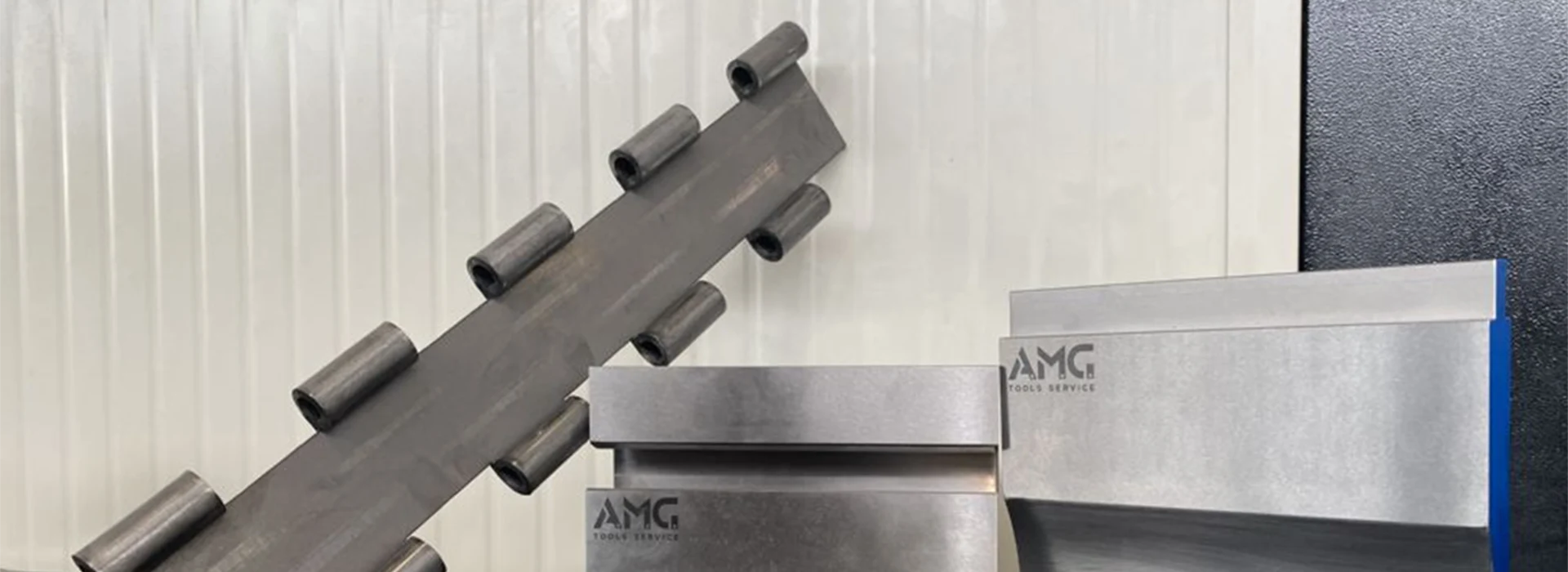
Curling, in relation to sheet metal, is a process used to create a “curl” to accommodate a pin. How is it achieved with a mold? Curling is typically used to obtain a “curl,” which serves as a guide for a connecting or rotating pin. Let’s explore its characteristics and the potential it offers.
Curling is an extreme bending process, in which the sheet metal wraps around itself to create a circular passage. The resulting curl becomes the seat for pins and is often used to construct hinges from sheet metal. Using bending presses or punchers makes the process quick and flexible, allowing for length variations with a single mold.
Curling is achieved with the aid of a mold installed on a suitably powered press. Inside the mold, the sheet metal is constrained and pushed into a winding path around itself to achieve the intended shape, usually a circular eyelet. The recommended materials are those that are highly malleable and possess plasticity because the forming of the eyelet is quite stressful. The sheet thickness can vary from a few tenths to several millimeters.
To avoid issues of curl collapse or incorrect hole dimensions, it is advisable to use sheets of consistent thickness with excellent cutting profile quality. The curling effort is comparable to the bending effort of the sheet. The machines or presses must be proportionate to this parameter.


